Practical Framework for Wardrobe Architecture
A four-part curriculum translating fabric longevity science into direct, actionable home routines. Designed for real-world apartments and varying regional climates.
Spatial Auditing & Drawer Geometry
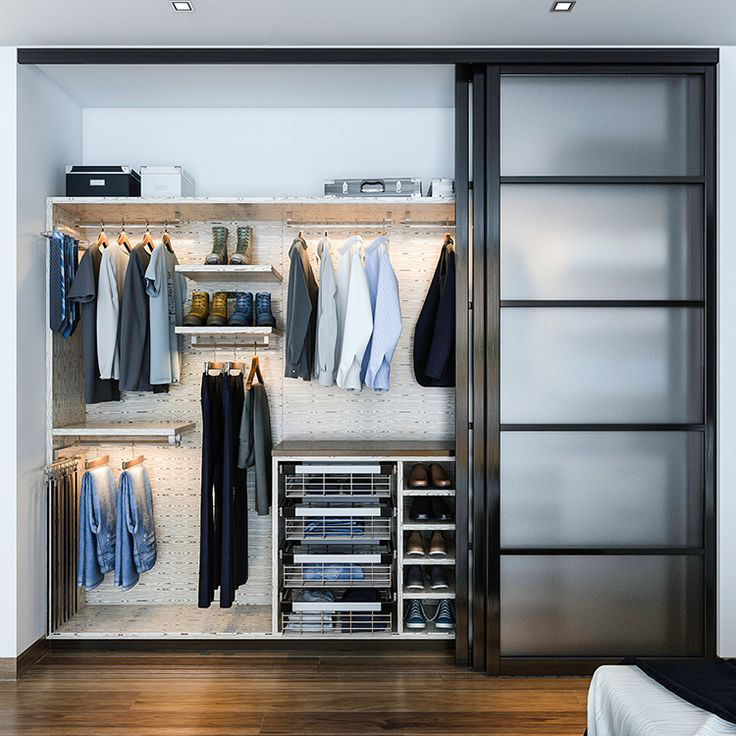
Phase 1: Practical SetupDirect execution begins with emptying closet spaces completely to evaluate true cubic capacity. Learn to gauge internal depths, assess rail flex, and construct custom drawer compartments using rigid card or fabric-lined dividers.
We document how vertical folding turns chaotic, obscured stacks into readable drawer files, balancing garment tension so items pull out without toppling the line.
Fabric-Specific Hanger & Shelf Assignment
Phase 2: Preservation TacticsEvery textile reacts differently to gravity. This module provides strict sorting matrices: tailored coats and wool suiting require broad shoulder contours; lightweight linen shirts need cross-bar velvet hangers; heavy winter woollens belong flat on upper shelves.
Eliminate common wear points such as shoulder stretching, hem distortion, and hanger creases on delicate silk necklines through correct equipment selection.
Seasonal Capsule Rotation & Off-Season Storage
Phase 3: Cycle ManagementManaging high-density living areas means shifting dormant wardrobes out of the central zone. Master the step-by-step cleaning, airing, and wrapping steps necessary before packing garments away for three to six months.
Discover why vacuum compression bags suit synthetic blankets but can crush delicate silk weaves, and how unbleached muslin cases keep garments pristine during seasonal storage.
Monsoon Defense & Natural Pest Deterrence
Phase 4: Environmental ShieldingTropical rains bring prolonged atmospheric moisture that threatens leather shoes, silk blends, and wool garments. This module explores passive mechanical measures to safeguard cabinets without synthetic repellents.
Implement structured clearance channels behind wardrobes, recharge reusable desiccant containers, and integrate aromatic cedar shavings to protect fabric weave integrity.
Request Detailed Syllabus Documentation
Have questions regarding module materials or storage adaptation for your apartment? Submit your query to our editorial team.