Mastering Wardrobe Systems for Fabric Longevity
Organising everyday clothing within modern compact living spaces demands a deliberate approach to ventilation, layout geometry, and fabric preservation. From safeguarding pure cottons and silks during dense monsoon months to establishing intuitive vertical drawer dividers, systematic storage transforms your daily routine and preserves the structural integrity of every textile item in your possession.
Learn the principles of non-abrasive garment hangers, breathable cotton storage envelopes, balanced hanging rails, and seasonal rotation frameworks tailored for contemporary residences across diverse seasonal conditions.
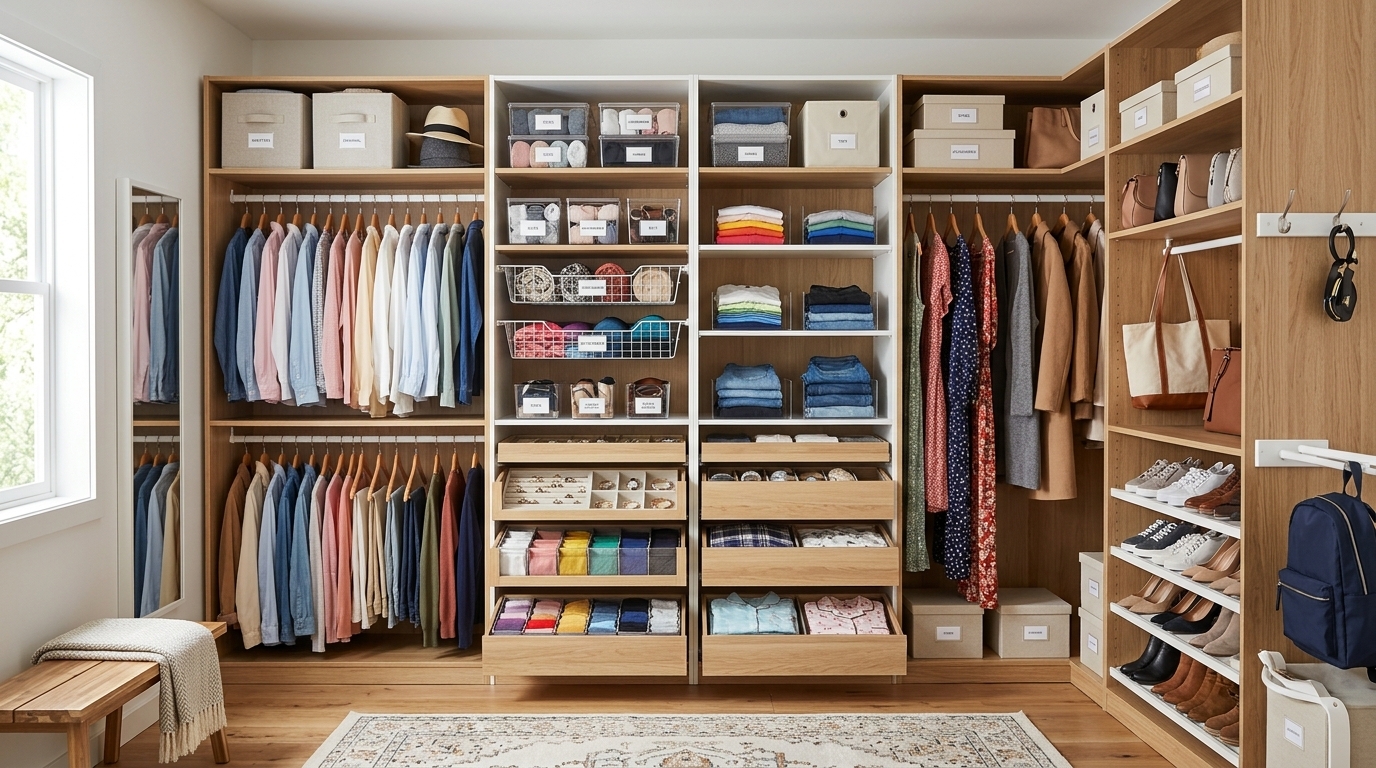
The Five Disciplines of Garment Preservation
A step-by-step layout methodology engineered to protect warp and weft fibres, maintain drawer clarity, and eliminate fabric overcrowding.
Zonal Frequency Allocation
Cabinets function best when arranged around frequency of retrieval rather than garment category alone. Everyday essentials belong between chest and eye level to avoid stretching or jostling folded stacks. Mid-tier shelves hold workwear and secondary pieces, while lower pull-out baskets accommodate sturdy denim and canvas trousers. The highest compartments remain reserved exclusively for off-season rotation bundles and secondary linens.
Vertical Filing Technique for Knits
Traditional horizontal piling creates pressure gradients that crush underlying garments, promoting crease distortion and textile stress. Implementing vertical filing into sliding drawer trays allows each T-shirt, wool jumper, and linen base to stand independently. You maintain full visual visibility of the entire drawer contents without unsettling adjacent items during morning retrieval.
Hanger Geometry and Weight Distribution
Thin metal hangers create acute pressure peaks that deform delicate shoulder seams on blazers, jackets, and formal attire. Broad wooden or contoured velvet hangers provide continuous support across the natural yoke width. Fine woven silks and lightweight cotton voiles benefit from non-slip velvet finishes, preventing slippage to the floor where fabric can accumulate dust.
Monsoon Moisture and Atmosphere Control
In high-humidity climates, stagnant cabinet air is the primary threat to delicate fibres and natural materials. Maintaining an active two-inch clearance between rear wardrobe panels and the bedroom wall preserves baseline convection currents. Deploying natural cedar rings, porous silica desiccants, and avoiding sealed, non-porous synthetic plastic bags preserves ventilation while keeping fine threads completely dry.
The One-In, One-Out Inventory Metric
To ensure closets do not exceed their structural holding capacity, consistent inventory management is crucial. Adopting a strict balancing rule prevents rail sag and crushed lapels: introducing any new tailored jacket or staple piece prompts the reassessment and responsible donation of a dormant item. Systematic archiving guarantees that each garment retains its required buffer margin on the hanging rod.
Milestones in Educational Storage Engineering
A documented timeline outlining how our open-source wardrobe principles adapted to tropical humidity, compact urban layouts, and seasonal shifts between 2020 and 2026.
Urban Spatial Audit Initiative
Initial formulation of space-saving principles for micro-apartments in dense city settings, mapping storage capacities of standard freestanding wardrobes and basic sliding drawer frames.
Monsoon Textile Resilience Framework
Standardisation of non-plastic storage protocols, testing untreated cotton garment covers and porous paper wraps to preserve wool blends and silks against coastal humidity.
Vertical Folding Handbook Publication
Release of the open visual reference detailing geometric folding sequences for linen, cotton, and twill fabrics to maintain drawer equilibrium without compressive distortion.
Modular Capsule Matrix Standard
Launch of seasonal rotation charts facilitating 30-item functional modules, enabling swift quarterly transitions without excess clutter in primary living zones.
Hanger Geometry & Weight Research
Formalising educational guidelines on hanger radius curvature, documenting fabric weight thresholds to prevent shoulder dimpling on delicate handloom garments.
Under-Bed Storage Micro-Climate Guide
Documenting breathable storage cases for under-bed and upper-alcove storage, optimizing dust seals while retaining continuous ambient airflow.
Comprehensive Wardrobe Care Archive
Consolidation of full open-access curricula, integrating fabric care label interpretation, steaming workflows, and seasonal transition blueprints for homes across India.
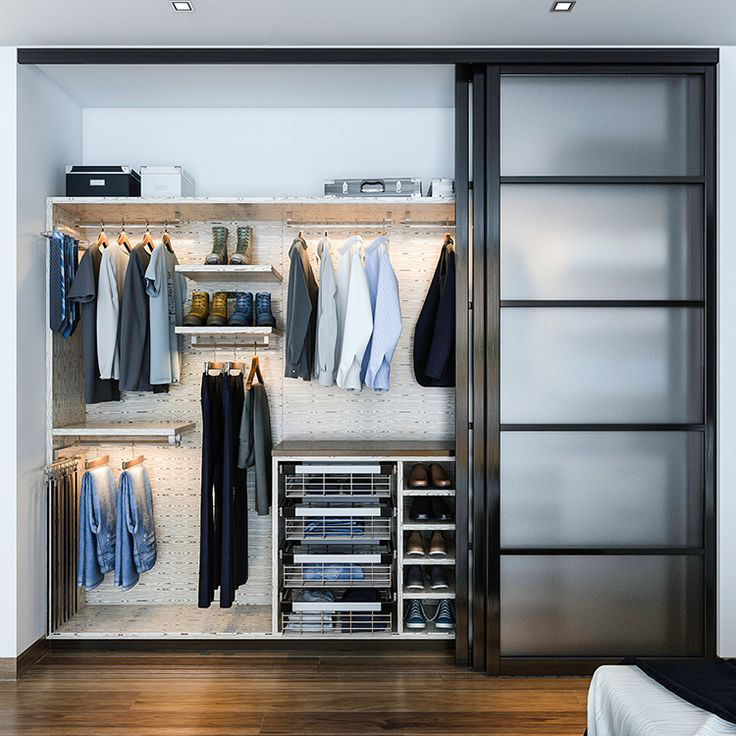
Fabric-Specific Storing and Resting Cycles
Fine fabrics require recovery intervals between wears. Heavy woollen suiting and natural linens stretch under gravity when worn; hanging them in a well-ventilated, shaded corridor for twenty-four hours before returning them to an enclosed cabinet allows fibres to naturally contract and release surface tension.
By learning when to hang garments on shaped wooden contours and when to fold heavy knits onto flat shelves, you completely avoid neck stretching, uneven hemlines, and creasing along primary tension points.
- Steaming vs. iron temperature settings for natural linen fibres
- Avoiding wire hangers that cut into knitted structures
- Utilising pure unbleached cotton pouches for silver-threaded borders
- Natural cedarwood shavings to discourage textile beetles
A wardrobe is not an inert box for storing excess fabric; it is an active mechanical ecosystem where airflow, spatial distribution, and material awareness dictate whether an item lasts two seasons or twenty years.
Frequently Clarified Organization Concepts
Analytical answers addressing everyday wardrobe dilemmas, climate resistance, and storage preservation strategies.
Why should heavy knitwear and woollens never be hung on coat hangers?
Knitted garments possess an interlocking yarn loop construction that lacks the rigid horizontal and vertical grain of woven fabric. When suspended from hangers, the physical weight of the lower hem exerts continuous downward tension on the shoulder line, stretching the yarn loops, pulling neckbands out of proportion, and leaving pronounced "shoulder bumps." Fold knitwear horizontally or use vertical drawer rolling to safeguard thread tension.
How can garments be protected from seasonal humidity without synthetic chemical odours?
Passive ambient management relies on porous moisture traps such as refillable silica packs, food-grade activated charcoal blocks, and untreated aromatic cedarwood chips. Cedar oil naturally deters cabinet insects without leaving harsh chemical residues on fibres. Ensure cabinets are opened for twenty minutes during dry afternoon windows to promote natural cross-ventilation.
What is the advantage of unbleached cotton bags over clear plastic garment wraps?
Clear vinyl and polyethylene covers create an impermeable barrier that traps residual atmospheric humidity inside. When ambient temperatures fluctuate, condensation can form inside the plastic cover, encouraging fibre decay and yellowing on light-coloured fabrics. Unbleached, woven cotton permits continuous gas exchange while filtering out surface dust particles and environmental airborne grit.
How does one design an effective capsule rotation system in compact apartments?
Begin by dividing your overall garments into two primary categories: current season essentials (approximately thirty to forty core articles) and inactive secondary items. Store the inactive tier in breathable cotton zip bins under bed frames or on high wardrobe shelves. Every four months, conduct a seasonal swap, inspecting all seams and buttons before moving articles into active rotation.
How should delicate hand-embroidered or silk garments be stored between festivities?
Heavily embellished sarees, kurtas, and brocades should never be hung, as metallic threads (zari) can slice through neighboring silk strands under gravitational drag. Wrap them individually in pure muslin cloth with acid-free tissue paper layered between the folds. Change the fold lines twice a year to prevent permanent thread breakage along sharp crease edges.
What spacing standard is recommended between adjacent hangers on a clothing rail?
A minimum gap of approximately one to one-and-a-half inches between hanger hooks is advised. This allows air to circulate between garments, prevents lapels and pleats from becoming compressed, and facilitates quick extraction without catching delicate cuff buttons or trims on neighboring items.